
Effective Strategies to Prevent Mold Growth in Bathrooms and Basements
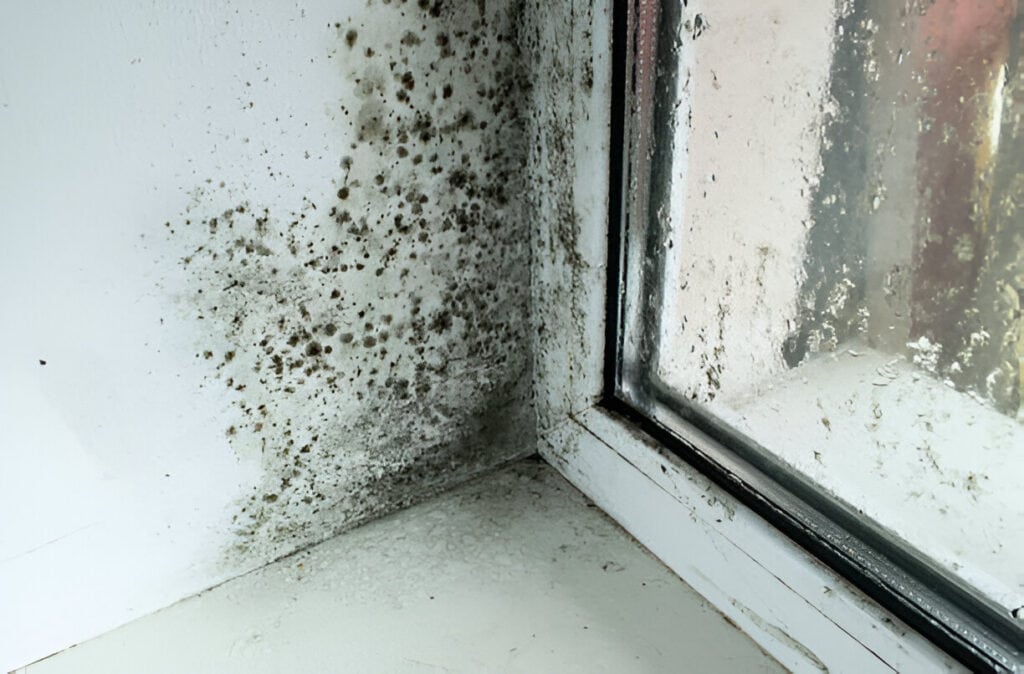
Humidity and poor airflow make bathrooms and basements prime spots for mold. For homeowners in Michigan, where seasonal humidity changes and temperature swings can trap moisture, learning how to prevent mold growth is essential. This article shares practical mold prevention tips to keep your home safe and dry, reducing the need for future mold removal services.
Why Bathrooms Are Hotspots for Mold and How to Stop It
Bathrooms see constant water exposure, leading to mold if not managed. To stop mold in your bathroom:
- Install exhaust fans to reduce humidity after showers
- Wipe down surfaces daily to prevent water buildup
- Use mold-resistant paints and sealants on walls and ceilings
- Fix leaky faucets and pipes promptly
- Keep shower curtains and doors open after use to promote drying
These simple steps can prevent mold growth naturally, avoiding costly issues later.
Basement Mold Prevention: Key Tips for a Dry Space
Basements often suffer from groundwater seepage, especially in Michigan where spring thaws and heavy rains are common. Basement mold prevention starts with:
- Ensuring proper drainage around your foundation
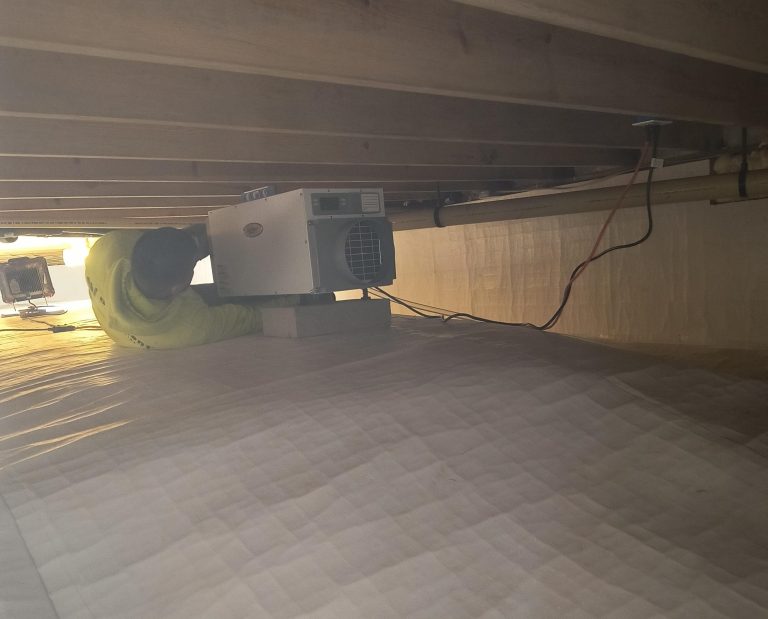
- Using dehumidifiers to maintain humidity below 60%
- Regularly inspecting for leaks and applying waterproofing
- Checking your sump pump is working properly before wet seasons
Additional Tips to Prevent Mold Growth in Your Basement
- Store items off the floor on shelving or pallets
- Promote air circulation with fans or proper HVAC venting
- Insulate cold water pipes to prevent condensation
- Seal foundation cracks as soon as they appear
Natural and Product-Based Mold Prevention Methods
For eco-friendly options, preventing mold in your bathroom naturally involves:
- White vinegar sprays - a natural antimicrobial
- Essential oils like tea tree or eucalyptus
- Baking soda paste for scrubbing prone areas
For more robust protection, invest in mold prevention products for your home, such as:
- Moisture absorbers (calcium chloride crystals)
- HEPA air purifiers
- Mold-resistant drywall and insulation
- Humidity monitors to track moisture levels
After any flooding or water damage, address the moisture promptly—mold can begin growing within 24-48 hours.
The Role of Professional Help in Long-Term Prevention
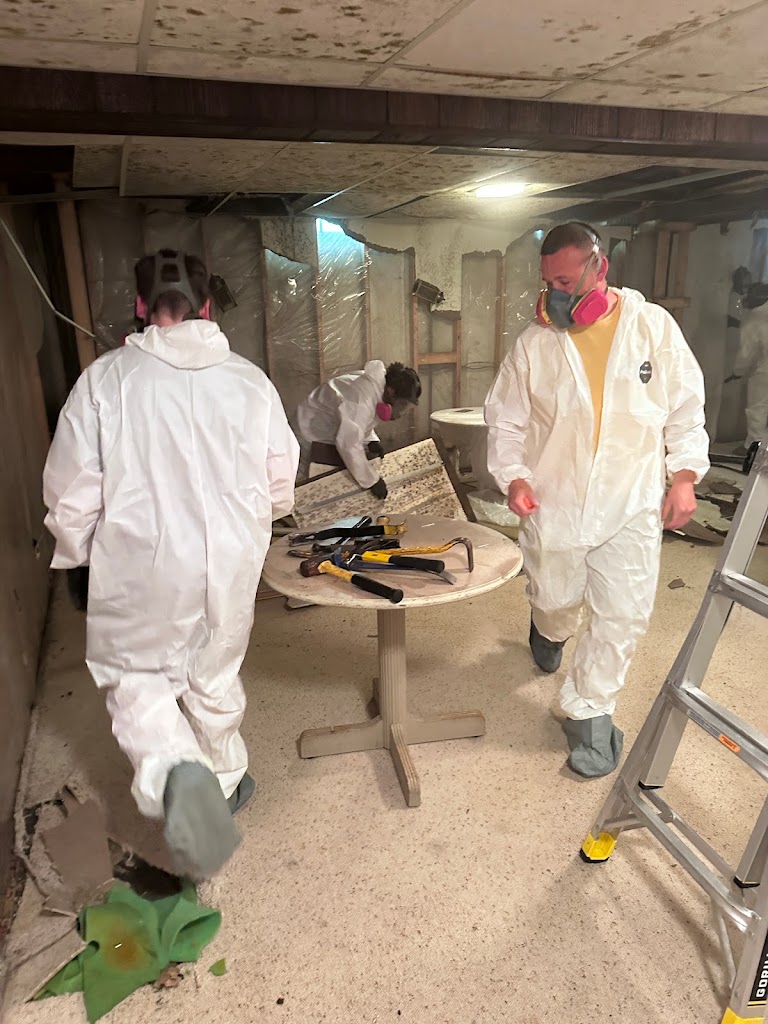
While DIY mold prevention tips work for minor risks, professionals can assess vulnerabilities you might miss. Our Michigan team offers inspections and treatments to stop mold in its tracks, complementing your prevention efforts.
We can help with:
- Comprehensive moisture assessments
- Vapor barrier installation in crawl spaces
- Professional-grade waterproofing solutions
- Air quality testing to detect hidden mold
Implementing these strategies to prevent mold growth will safeguard your home. Stay proactive with regular checks and mold prevention products to enjoy a healthier living space.
Related Articles

Interested in more articles about Mold Prevention?
Need Help with Mold?
Our certified mold specialists are ready to help you with testing, remediation, and prevention. Get a free consultation today.