
How to Deal with Basement Mold: The Essential Guide
Ever descended your basement stairs and been hit with a musty odor? That could be more than just the "basement smell." It might be mold. Understanding the importance of a mold-free basement isn't just about aesthetics; it's about health and safety too. So, let's dive deep and unveil the murky world of basement mold.
What is Basement Mold?
Mold is a tiny fungus that loves damp, dark places. Basements provide the perfect environment for these unwelcome guests. But what causes this pesky growth?
The Science of Mold Growth in Basements
Mold spores, which are in the air everywhere, love the high humidity and cooler temperatures of basements. When these spores find a moist surface, they settle down and start to multiply.
Why Basements Are Mold Hotspots
Think about it—basements are usually underground, right? This makes them prone to dampness, less ventilation, and occasional leaks or flooding. In Michigan, where freeze-thaw cycles and spring rains are common, basement moisture issues are particularly prevalent.
Signs You Might Have Basement Mold
Wondering if you're hosting a mold party in your basement? Here are the tell-tale signs:
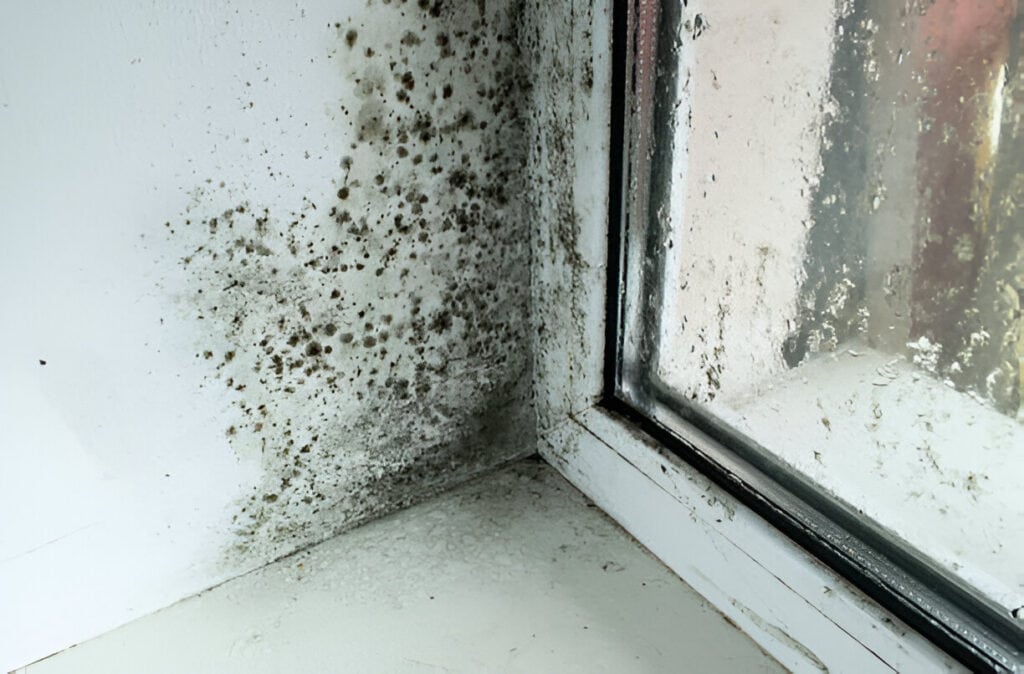
- Visible Mold Growth: If you spot patches of black, white, green, or even red fungi on walls, floors, or objects, that's mold!
- Musty Odors: That signature basement smell? Probably mold.
- Health Symptoms: Sneezing a lot? Eyes itching? These could be mold allergy symptoms.
- Water Issues: Damp walls, water stains, or pooling water are your biggest clues.
Dangers of Basement Mold
You might think, "It's just a little mold. How bad could it be?" Well...
Health Implications
From allergies to asthma, mold can wreak havoc on your health. Prolonged exposure can lead to respiratory issues, chronic sinusitis, and worsening of existing conditions.
Structural Damage
Mold can eat away at wood, drywall, and other materials. Left unchecked, it can compromise the structural integrity of your home and lead to costly repairs.
Why Expert Mold Remediation is Essential
Sure, you could tackle mold yourself, but here's the thing:
Ensuring Comprehensive Removal
Mold is sneaky. Even if you clean the visible growth, microscopic spores can linger and grow back. Experts ensure complete eradication using professional-grade equipment and techniques.
The Risks of DIY Mold Removal
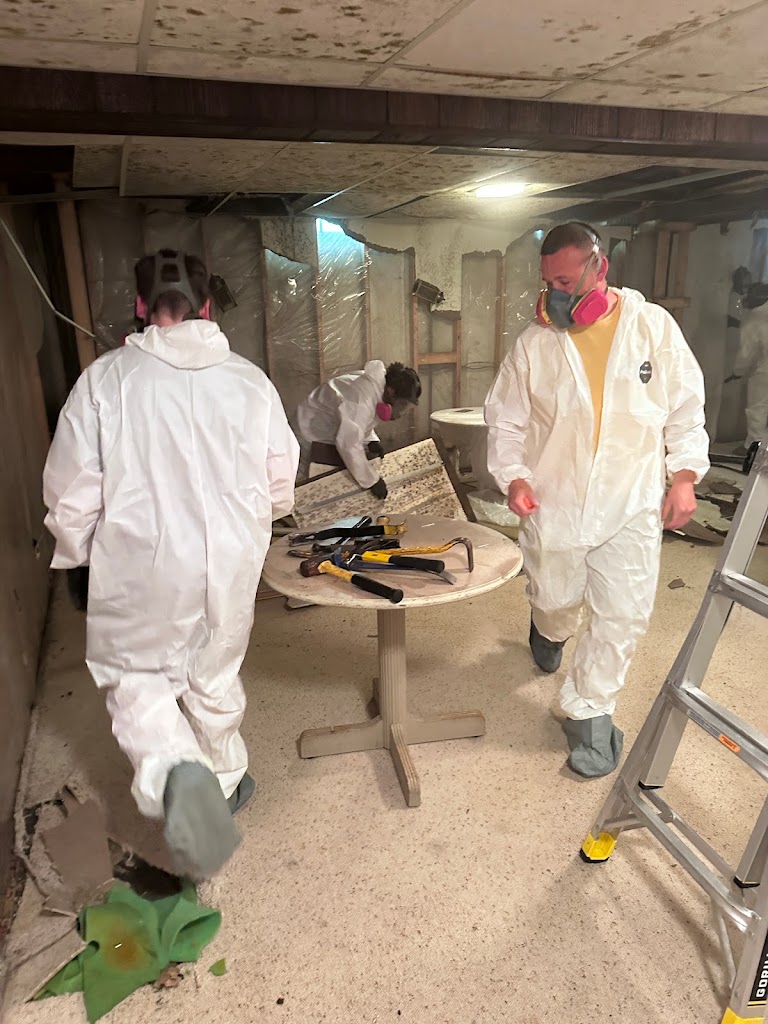
Without the right tools and protective gear, you could end up inhaling mold spores or even spreading them throughout your home. Professional remediation includes proper containment to prevent cross-contamination.
Steps to Deal with Basement Mold
Stumbled upon mold? Don't panic. Here's what you should do:
Immediate Actions to Take
The Process of Professional Mold Removal
Professionals will:
- Assess the situation and identify the moisture source
- Isolate the affected area to prevent spore spread
- Use specialized HEPA equipment to remove mold
- Treat affected surfaces with antimicrobial solutions
- Verify the basement is mold-free with post-remediation testing
How to Choose the Right Mold Expert
Credentials to Look For
- Proper certifications (IICRC, NORMI)
- Good reviews and references
- Comprehensive assessment before quoting
- Clear explanation of their process
- Insurance and licensing
Red Flags to Avoid
Be wary of anyone offering quick fixes at unbelievably low prices, or who wants to start work without a proper assessment.
Prevention: Keep Basement Mold at Bay
Regular Inspections
Schedule bi-annual mold checks, especially after heavy rains or snowmelt.
Moisture Control
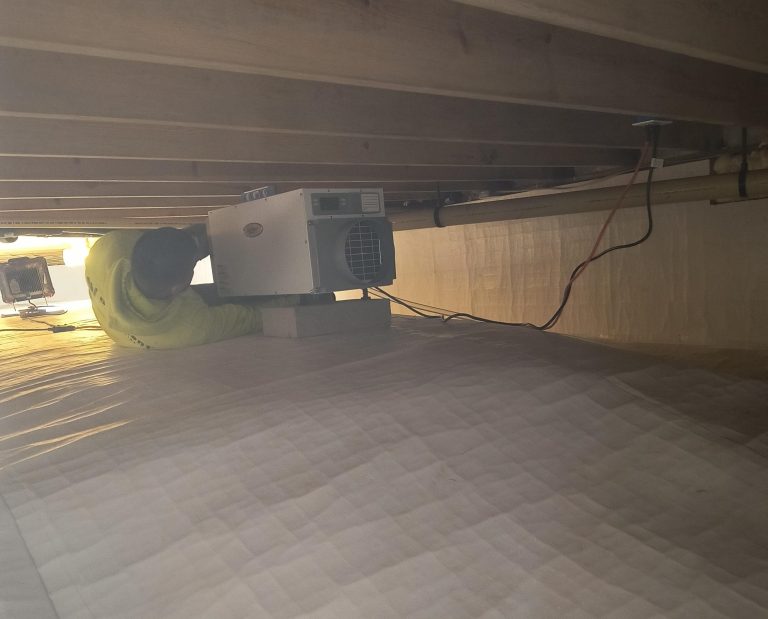
- Use dehumidifiers to keep humidity below 60%
- Ensure proper drainage around your foundation
- Check and maintain your sump pump regularly
- Fix any leaks immediately
Proper Ventilation
Let your basement breathe! Consider installing exhaust fans or improving air circulation.
Frequently Asked Questions
Is all basement mold harmful?
Not all molds are harmful, but why take a chance? It's best to have it assessed and removed by professionals.
Can I just paint over the mold?
No, painting over mold will not kill it. The mold could continue to grow beneath the paint and cause further damage.
How long does mold removal take?
The duration varies based on the extent of the mold. Typically, it can take anywhere from a few hours to a few days.
What if I only see a small patch of mold?
Even a small patch can release thousands of spores, so it's crucial to address any mold you find promptly.
Can mold return after treatment?
With proper preventive measures and addressing the moisture source, mold recurrence can be minimized. Regular inspections help catch any issues early.
Conclusion
Basement mold is a problem, but it's solvable. Trust the experts, be proactive about prevention, and always prioritize health and safety. Remember, when in doubt, always seek professional advice from trusted names like Mr. Mold.
If you suspect mold in your Michigan basement, contact us for a free inspection and take the first step toward a healthier home.
Related Articles

Interested in more articles about Mold Remediation?
Need Help with Mold?
Our certified mold specialists are ready to help you with testing, remediation, and prevention. Get a free consultation today.