
Understanding the Health Risks of Mold Exposure and When to Seek Remediation
Mold is more than an eyesore—it poses serious health risks, especially in climates with seasonal humidity changes like Michigan. This post breaks down mold exposure symptoms, long-term effects, and why timely mold remediation is crucial for your well-being.
Common Mold Exposure Symptoms You Shouldn't Ignore
Initial effects of mold on health include allergic reactions. Mold exposure symptoms often mimic colds:
- Sneezing, coughing, and nasal congestion
- Eye irritation or skin rashes
- Worsened asthma or breathing difficulties
- Throat irritation and persistent headaches
Black mold health risks are amplified, potentially causing more severe respiratory issues. If you notice these symptoms in your home—especially if they improve when you leave—investigate promptly.
Long-Term Health Risks of Mold Exposure
Prolonged exposure can lead to chronic problems. Long-term health risks of mold exposure include:
- Respiratory infections or hypersensitivity pneumonitis
- Neurological issues like headaches, memory fog, or difficulty concentrating
- Immune system weakening, especially in vulnerable groups
- Chronic sinusitis and recurring respiratory problems
Symptoms of Mold Exposure in Children
Children are particularly vulnerable to mold. Watch for:
- Frequent respiratory infections or illnesses
- Worsening asthma symptoms
- Persistent coughing or wheezing
- Skin rashes or allergic reactions
These symptoms highlight the need for vigilance in family homes, especially in older Michigan homes where moisture issues are common.
How Mold Affects Respiratory Health
Mold primarily impacts the respiratory system by irritating airways and triggering inflammation. When you breathe in mold spores, your body's immune response can cause:
- Airway constriction and difficulty breathing
- Increased mucus production
- Chronic coughing and wheezing
- Aggravation of existing conditions like asthma or COPD
Health risks are higher in older buildings with poor ventilation, water-damaged properties, and homes with recurring moisture problems. Toxic molds can produce mycotoxins, which escalate these risks significantly.
Who Is Most at Risk?
Certain groups face greater health risks from mold exposure:
- Infants and young children with developing immune systems
- Elderly individuals with weakened immunity
- People with asthma or allergies
- Those with compromised immune systems
- People with chronic respiratory conditions
When to See a Doctor and Call for Remediation
See a doctor if:
- Symptoms persist for more than a few days
- You experience difficulty breathing or chest tightness
- Symptoms improve when away from home but return when you're back
- You have a pre-existing respiratory condition that's worsening
Call for professional remediation when:
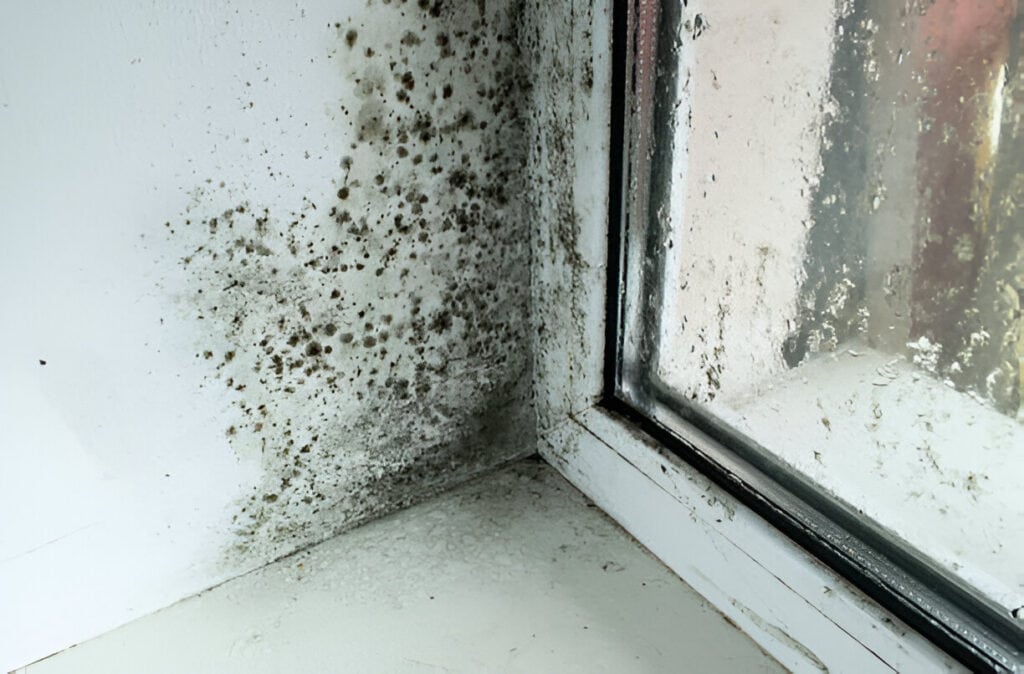
- Visible mold covers more than 10 square feet
- Mold returns after cleaning
- You smell persistent musty odors
- There's been water damage or flooding
- Family members are experiencing health symptoms
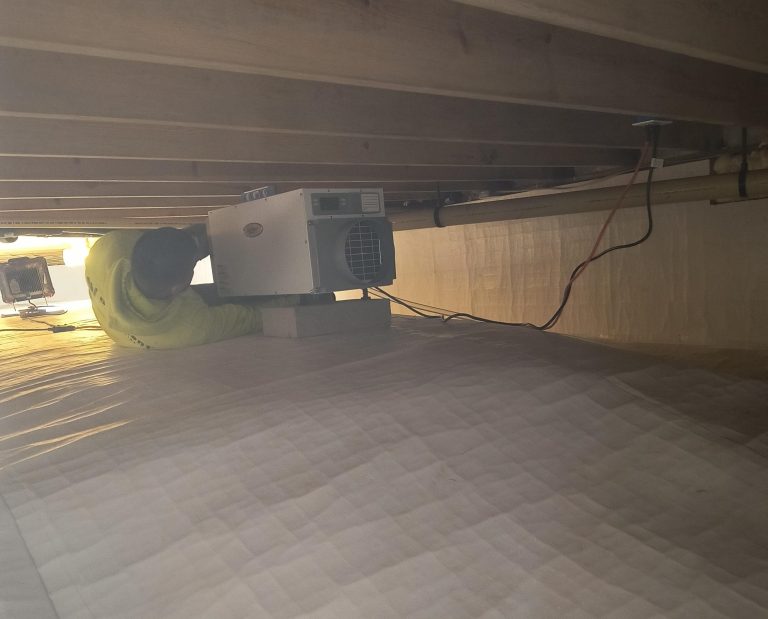
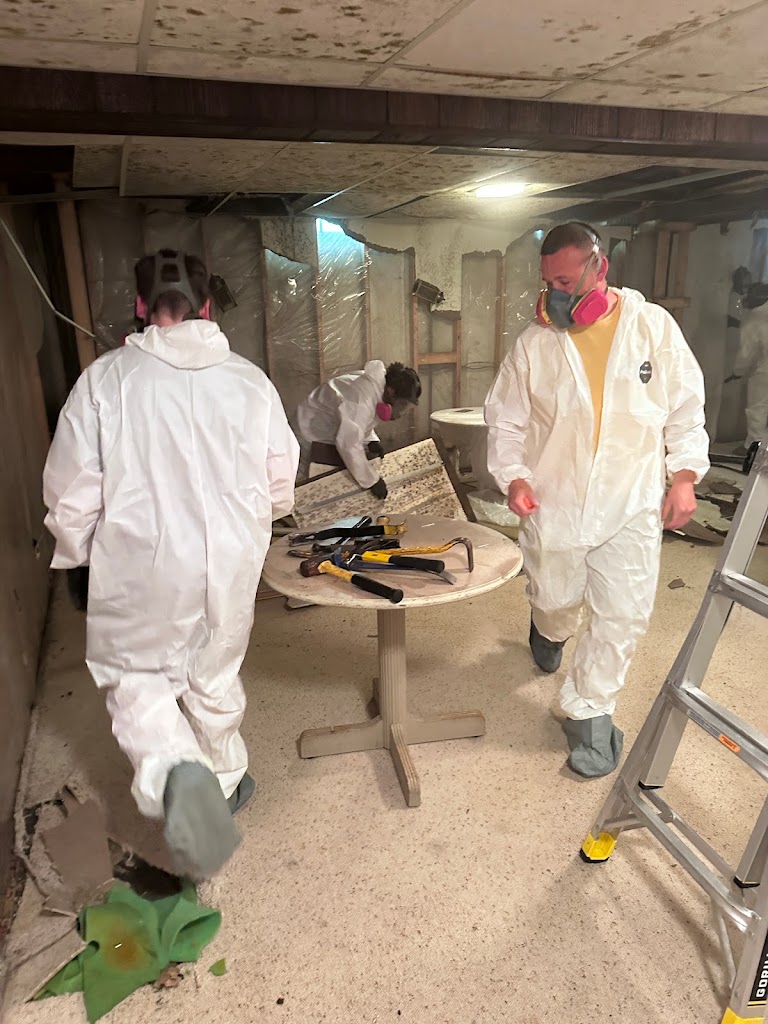
Our Michigan team handles safe mold removal, addressing the source of moisture to prevent recurrence. We use professional containment methods to prevent spore spread during remediation.
Protecting Your Family
Awareness of the health risks of mold exposure empowers you to act quickly. Prioritize clean indoor air and don't hesitate to seek professional help. The cost of remediation is far less than the long-term health consequences of prolonged mold exposure.
If you suspect mold in your Michigan home, contact us for a professional inspection and protect your family's health today.
Related Articles
Interested in more articles about Mold Health?
Need Help with Mold?
Our certified mold specialists are ready to help you with testing, remediation, and prevention. Get a free consultation today.